
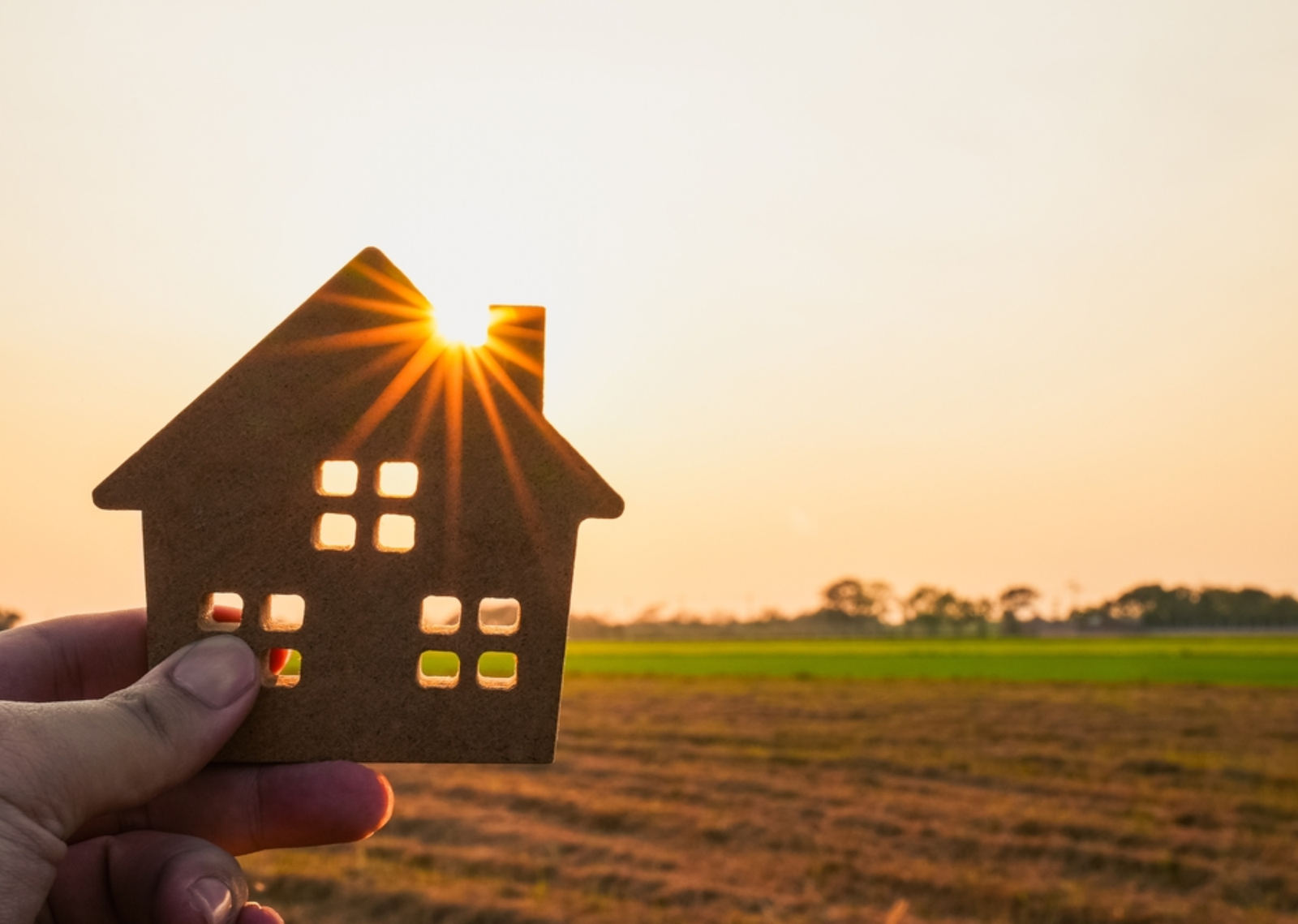
Buying your first acre of land is an exciting step—whether you’re dreaming of building a home, starting a homestead, creating a weekend getaway, or simply investing in real property. But if you’re new to land buying, the process can feel overwhelming. This guide breaks everything down into clear, simple steps so you can purchase your first acre with confidence.
🌱 Why Buy Land in the First Place?
Land is one of the few assets that is truly finite—nobody’s making more of it. Because of this, it tends to hold (and often grow) its value over time. People buy land for many reasons:
- To build a future home
- To create a vacation retreat or Airbnb rental
- To invest in long-term appreciation
- To start a farm, garden, or off-grid living space
- To secure a peaceful piece of nature for weekend escapes
Whatever your reason, buying land gives you freedom. But before you invest, there are important factors to understand.
🧭 Step 1: Define Your Purpose
Start by clarifying why you want land. Your purpose determines what kind of land you should look for.
Ask yourself:
- Will I build on the land soon or hold it long-term?
- Do I need access to utilities?
- Am I planning to rent it out (Airbnb, camping, cabins)?
- Do I want something remote and private, or close to town?
Being clear about your goals saves you time—and helps you avoid buying land that doesn’t fit your needs.
🌄 Step 2: Choose the Right Location
Location is everything. Even one acre can vary dramatically in value depending on where it sits.
Consider these factors when researching areas:
- Distance from major cities or highways
- Nearby attractions (lakes, mountains, parks, towns)
- School districts (if building a home)
- Local climate and terrain
- Crime rates and community quality
Don’t be afraid to visit the land in person if possible. Walk the property to get a feel for it.
🧱 Step 3: Understand Zoning & Land Use
Every piece of land is subject to zoning regulations. These rules determine what you can and cannot do with the property.
Common zoning categories include:
- Residential – suitable for homes
- Agricultural – farming, livestock, homesteading
- Commercial – businesses
- Recreational – cabins, camping, RV stays
- Mixed-use – a combination
Before you buy, verify that the zoning matches your intended use. If you plan to build an Airbnb or cabin, be sure short-term rental laws allow it.
🚰 Step 4: Check Access & Utilities
A beautiful acre of land may not be useful if you can’t reach it—or don’t know how utilities work on the property.
Key things to check:
Road Access
Is there a legal, recorded easement or public road access? Landlocked parcels can require costly legal solutions.
Water Supply
Does the land have city water, a well, or will you need to drill one?
Electricity
Is power nearby? How much would it cost to connect?
Sewer/Septic
Rural land typically needs a septic system—be sure the soil is suitable.
Internet Availability
Important if you plan to live or run a short-term rental there.
🏞 Step 5: Evaluate the Land Itself
Not all acres are created equal. As you walk the property, pay attention to:
- Land slope and grade
- Soil type (especially for building or gardening)
- Flood zones or drainage
- Trees, rocks, or natural features
- Wildlife presence
- Sunlight exposure (important for solar, gardens, or views)
Sometimes a flat, boring acre can be more useful than a scenic but difficult-to-build parcel.
💰 Step 6: Understand the Costs
The purchase price isn’t the only expense. Buying land may include:
- Closing costs
- Survey fees
- Soil tests
- Permits
- Utility installation
- Property taxes
- HOA or community fees (if applicable)
Always create a full budget—not just for the purchase, but for what you want to do with the land.
📜 Step 7: Get a Professional Survey & Title Check
Before finalizing your purchase:
Survey
Shows exact boundaries, easements, and acreage.
Title Search
Ensures the land is free of liens, disputes, or ownership issues.
Property Deed Review
Confirms you’ll own the land outright.
Skipping these steps can lead to serious legal problems later.
🤝 Step 8: Work With a Trusted Land Seller
Buying land is different from buying a house. Many buyers prefer working with professionals who specialize in rural or recreational properties.
A good land seller or company will:
- Provide clear parcel information
- Offer secure financing options
- Help you understand zoning and access
- Guide you through due diligence
If your company offers land sales, this is a great place to link to available listings or contact info.
🏡 Final Thoughts
Your first acre of land is more than a purchase—it’s a stepping stone toward your long-term goals. With the right research and guidance, you can find a property that fits your vision and becomes a valuable asset for years to come.
Whether you’re planning to build, invest, or simply own a piece of country freedom, this beginner’s guide will help you take the first step with confidence.


Join The Discussion